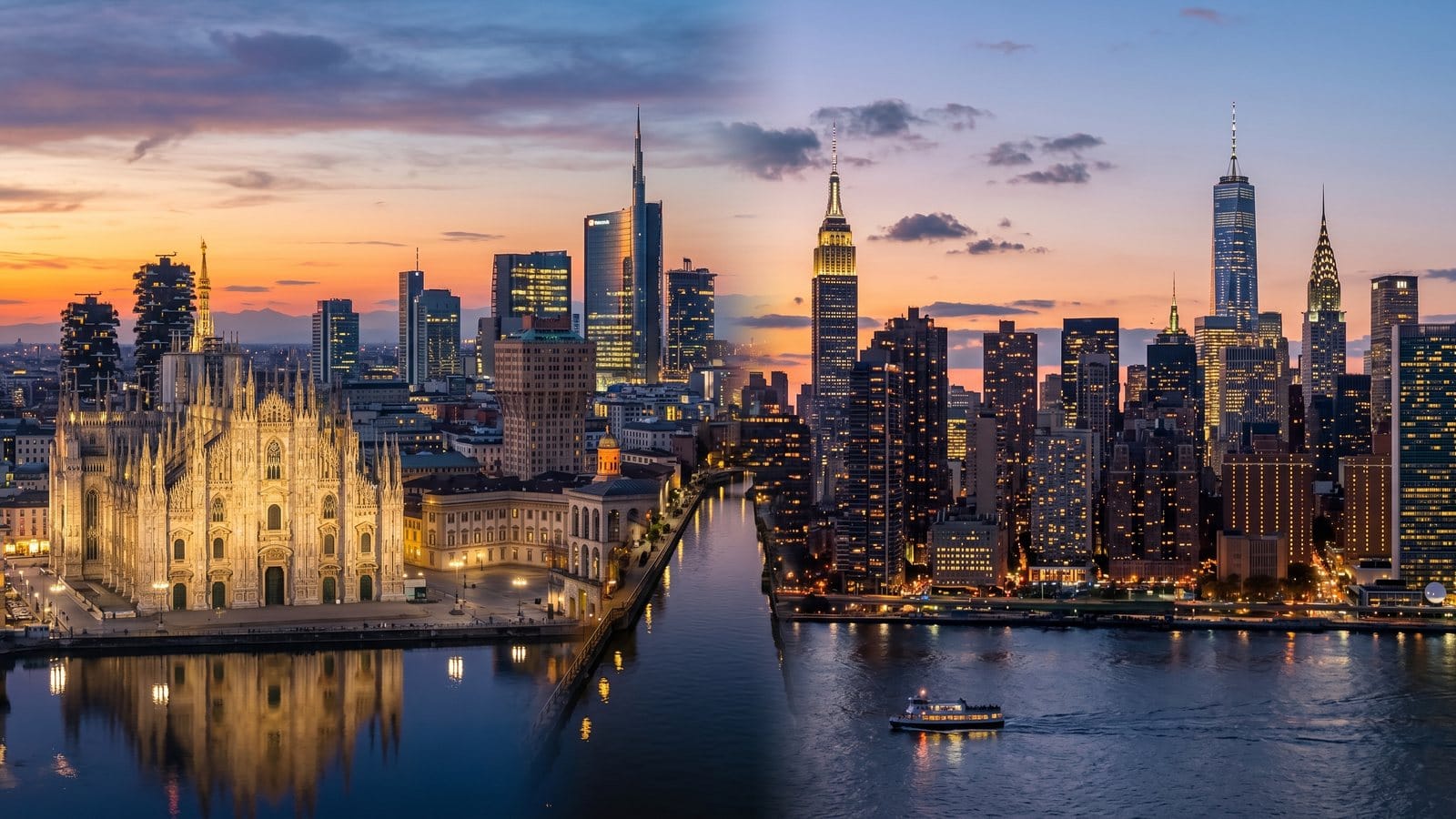
Milan vs New York
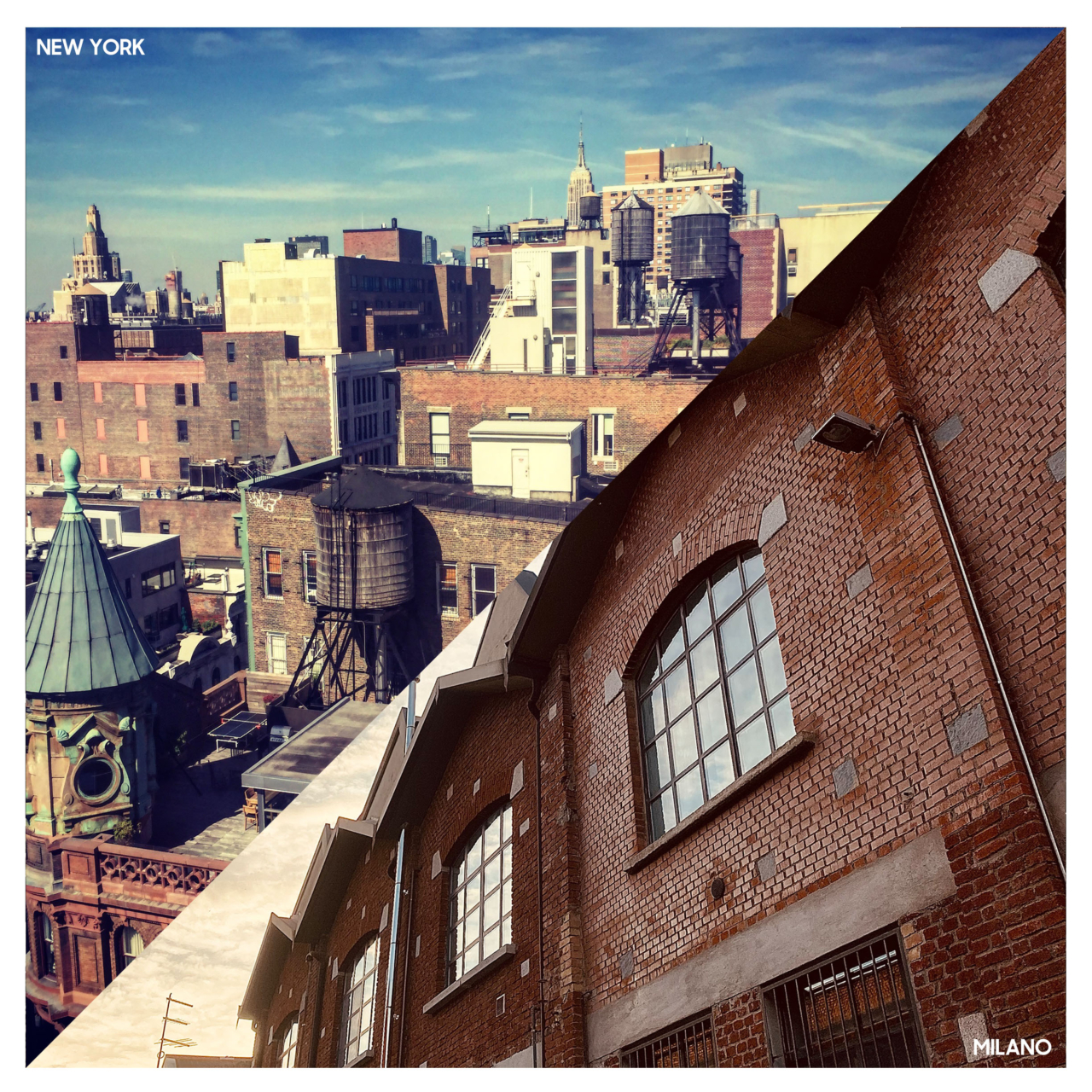
August 15th, downtown Manhattan. Infernal heat, just like Milan. Mosquitoes, mercifully absent. Infernal traffic, shops open everywhere, people coming and going, restaurants all open, slowing down isn’t even a thought.
August 15th, Milan, Via Eustachi. Infernal heat, mosquitoes the size of helicopters, the Ride of the Valkyries as a soundtrack. Two shops out of three closed, the occasional human passing by, but those are the losers like me who don’t take vacation. Restaurants, better to call ahead (the legendary Poporoya, our local sushi temple, closed until September). Slowing down? Already happened. Full deceleration kicked in eight days ago.
And Digital Area is open, as always.
We’re open because, ever since we extended our presence to the American market, we no longer know the legendary Italian shutdowns, and especially not the August ones. Here you always work. August is a month like any other, and nobody cares about the Assumption of Mary into Heaven. Mary who?
They know when they don’t know
Being Italian in New York is wonderful and exhausting in equal measure. Wonderful because we know how to enjoy our surroundings in a way Americans often don’t, slowing down at the right moment when it’s needed. Exhausting because the pizza-mafia-mandolino stereotypes are still there, even if lately they’re flown a little less openly, behind a thin veneer of being politically correct. But when we speak in their movies, for some reason we all sound like Super Mario: “eeeehhh-itsa-meee-Maarioooo”.
That said, Americans have one thing Italians often don’t. They know when they don’t know. If an Italian talks about fashion, style, wine, cars, or food, an American knows they’re in front of someone who very likely knows more than they do, by birthright alone. And they listen.
Different story when it comes to actually trusting an Italian, even after 14 years in New York like me. In their collective imagination we are always, somehow, more or less slackers who will deliver late, ask for money that wasn’t part of the deal, and hand over a product that doesn’t live up to the expectations we sold so loudly at the start of the project. Reality is VERY different. Not bragging, but Italians are used to making do with no support and no organization, which means we thrive in any environment and under any pressure. Almost always, once the initial wariness is overcome, the surprise is genuine and the client is happy.
Italian quality, American timing
Digital Area offers exactly this: Italian quality and craftsmanship, with the relentless reliability and speed of the American way of working.
The Italian point of view is well appreciated. Because of the subtlety our eyes are trained to bring to things, and because of the precision and richness of description that comes with our language, we translate those attitudes into retouching. A particularly refined colour, a dress that has to fall a certain way: for an Italian this is everyday business, we grew up with it. How many times have I heard my grandmother, and then my wife, tell me “tu così non ci esci!” (you’re not going out dressed like that), until eventually, little by little, we learn to match colours and fabrics. On photography, at least, something must have stuck.
And then there’s pricing
In Italy the price is never definitive until the end of the job, when the client will come back with a little question: “since it took you less time than expected, could you give me a little discount?”. I’m not saying it’s always like that, but the price is often a touchy subject, to be approached very carefully. Then there’s payment: on average 90 days end of month plus 15. If you didn’t send the invoice while whistling Verdi’s “Va, pensiero”, add another 10. Oh, and the 90 days start from the order date, which often slips by a month.
In America, by contrast, the price is carved in stone the moment it’s agreed. The budget is allocated to the project before work even begins, payment terms are on average 30 days from invoice, and very often, really very often, we get paid before the photos have even been delivered.
The bridge
We are the bridge connecting the two worlds. Milan works in August too, maybe less, maybe some projects skip the middle two weeks, but the fashion industry doesn’t really stop. We have that extra gear that lets Italian brands find somebody who picks up the phone even on Ferragosto, and we have extra availability in that same period for American brands, because our Italian operators, who still take their vacation in shifts, are less pressed by local jobs. As they say here, win-win.
What do I like more? Hard question. Italy has a magnificent future behind her. I love Milan for everything she gave me, for everything she taught me through her beauty and through the people I had the luck to meet along the way. But my future, and Digital Area’s future, is in New York. Acting as the bridge between the two worlds. We are ready to cross it, keeping our roots firmly planted where we know we can always come back to drink from beauty itself.
PS. This post was written by a human.